

Retail & CPG
Fresh Food Supply Chain: Key Challenges & Tech Solutions


Key Takeaways
- Fresh food market demand continues to surge, with projected growth of 337.76 million tons by 2024 and increasing consumer willingness to pay premium prices for quality fresh products.
- Temperature and humidity control present critical challenges, as different fresh foods require specific storage conditions – from 0-2°C for fruits to 13-15°C for tropical produce.
- Poor supply chain visibility leads to massive waste, with supermarkets discarding 43 billion pounds of unsold food annually due to spoilage and quality control issues.
- Locus’ AI-powered dispatch management platform enables real-time tracking, efficient route optimization, and precise delivery scheduling to help fresh food retailers maintain product quality throughout distribution.
Two years ago, the Coronavirus crisis redefined consumer shopping habits and established some new trends in retail and consumer goods markets. Stockpiling of essentials, online shopping for consumer goods, and convenient contactless deliveries were some of the most talked-about topics.
One of the biggest trends seen in the retail market that year was the growing demand for fresh foods—fruits and vegetables, meat, seafood, fish, dairy, baked goods, deli products, and more. In fact, the fresh food market size is estimated to grow by 337.76 million tons from 2019 to 2024, and the market’s growth is anticipated to accelerate at a compound annual growth rate (CAGR) of 3%.
According to a Deloitte report, fresh food sales are an important growth driver for retailers and a priority for shoppers who want to ensure they have ample fresh food at hand. Sales of fresh produce were up $4.5 billion between January and August 2020, compared to the same period in 2019. In terms of consumer preferences, fresh foods were more valued than ever; nine in 10 respondents said fresh food made them happy.
Demand for Fresh Food Persists
A year later, the demand for fresh food hasn’t cooled down yet. A 2021 survey says that 60% of contemporary consumers—younger families and more well-off and urban dwellers—say they recently increased their purchases of fresh food, up 10 percentage points from 2020. Further, 71% of contemporary consumers value the fresh brand, and 78% were willing to pay a premium for fresh food.
The availability of fresh foods is a key driver of in-store traffic in supermarkets and convenience stores. The most important attributes shoppers say when selecting their primary stores include high-quality fruits and vegetables—80%; high-quality meat—77%; and fresh food deli—53%.
Download the E-book: Food Delivery: The Past, Present, and Future
A number of fresh foods startups have sprung up since the onset of the pandemic that has been getting investor attention and growing in popularity among consumers. Impossible Foods, Memphis Meats, Nature’s Fynd, Alpha Foods, and Kate Farms were some of the top fresh foods startups of 2020 in the United States. In India too, there has been a spike in sales and investor interest for businesses in the fresh food space such as FreshToHome, Country Delight, Gourmet Garden, and Licious. With the increasing adoption of healthy food habits among young and old alike, these and several other fresh food businesses have seen steady growth since.
Major Problems in Fresh Food Supply Chain
Fresh food supply chains face rising costs, spoilage risks, complex sourcing, traceability demands, and sustainability pressures, making efficient, visible, and reliable operations more critical than ever.
Let’s explore each one in detail:
1. Optimize Sourcing to Control Costs
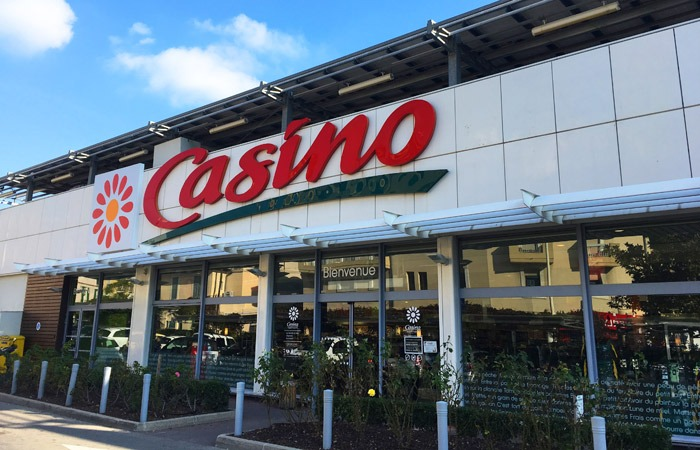
Rising logistics costs are squeezing margins in the fresh food industry. Without a strategic approach to sourcing, you risk overpaying for produce that doesn’t meet demand.
Groupe Casino reduced procurement costs by analyzing seasonal trends and supplier reliability, minimizing price volatility and improving fresh food margins.
What You Should/Can Do?
- Time purchases to align with seasonal demand to avoid overstocking and spoilage.
- Evaluate supplier reliability and negotiate longer contracts for high-risk products.
- Use forecasting tools to predict demand and adjust purchasing schedules.
Locus optimizes routing and sourcing, providing real-time supply chain visibility to adjust procurement strategies and avoid delays.
2. Maintain Freshness and Quality with Smarter Logistics
Keeping fresh foods at optimal temperatures during transit is critical. Without the right logistics, quality and shelf life suffer.
Sainsbury’s used IoT-based temperature monitoring to reduce spoilage and waste by 10% over six months.
Actionable Tips:
- Use temperature-controlled vehicles and track real-time data to maintain ideal conditions.
- Plan delivery windows to minimize transit time for perishable items.
- Implement FIFO systems to ensure stock rotation and reduce spoilage.
3. Streamline Packaging and Transportation
Efficient packaging is crucial for reducing waste and maximizing shelf life. Poor packaging leads to avoidable losses.
Try switching to eco-friendly, resilient packaging to reduce spoilage and minimize plastic use during delivery. Locus optimizes your transportation network for different types of perishables, reducing spoilage and transportation costs.
Actionable Tips:
- Use protective, breathable packaging for delicate produce.
- Implement multi-temperature transport systems to handle various perishables.
- Invest in eco-friendly packaging to extend shelf life and reduce environmental impact.
4. Increase Supply Chain Visibility
Lack of supply chain visibility can lead to delays, stock issues, and missed opportunities. Real-time updates help prevent costly mistakes.
Walmart used blockchain for traceability, improving consumer trust and reducing spoilage by tracking product origins. Platforms like Locus provides real-time updates on deliveries, giving your team the visibility needed to act fast and prevent losses.
Actionable Tips:
- Implement a digital tracking system across the entire supply chain.
- Use real-time data to detect temperature fluctuations or delays and act swiftly.
- Integrate blockchain for traceability to enhance transparency and trust.
Recommended read: “10 Best Supply Chain Visibility Softwares to Try Today”
5. Adapt to Sustainability Expectations
Consumers and regulators expect higher sustainability standards. Failure to adapt can hurt your reputation and competitive edge.
Carrefour worked with local farmers to reduce transportation distances, lowering emissions and improving freshness.
Actionable Tips:
- Source locally to cut emissions and improve product freshness.
- Use renewable energy for cold storage and other supply chain operations.
- Switch to sustainable packaging that reduces environmental impact.
Locus helps optimize routes to reduce fuel consumption and carbon emissions, supporting your sustainability goals while improving operational efficiency.
6. Enhance Operational Efficiency Through Automation
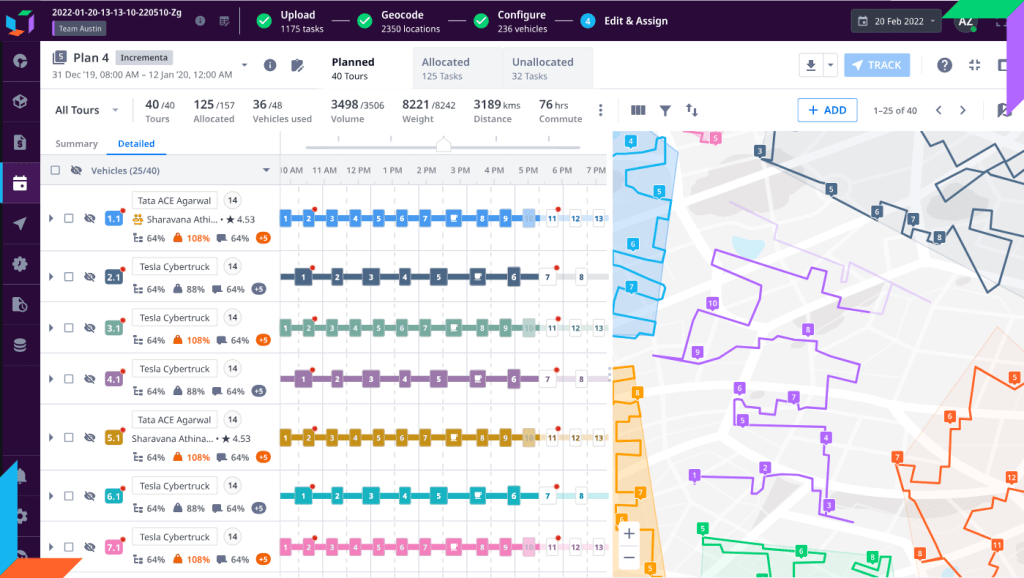
With rising costs and complexity, automating key processes is essential. Without automation, inefficiencies will continue to erode margins.
Locus’ AI-driven route optimization and demand forecasting tools help automate logistics, minimizing waste and cost while maximizing efficiency.
Actionable Tips:
- Automate inventory management to align stock levels with demand and reduce spoilage.
- Use automated order routing to reduce manual errors and speed up dispatch.
- Use predictive analytics to forecast demand and optimize ordering.
Logistics Tech Can Optimize the Fresh Foods Supply Chain
Digitization of the fresh food supply chain is a must, now more than ever, due to the rising demand for safe, contactless, same-day deliveries and intense competition in the market. Despite the serious challenges in the storage, shipment and logistics of perishable produce, the gaps in the fresh food supply chain can be filled with the help of logistics technology.
Technology such as Route Optimization can help retailers plan order dispatches and last-mile deliveries efficiently. Real-time visibility tools can help logistics managers be on top of distribution and on-ground operations.
With the help of AI-driven logistics planning, businesses can manage their delivery operations with ease. Locus’ real-world ready dispatch management platform helps with timely order scheduling, resource allocation, and route optimization making last-mile planning fast and efficient. Locus’ live visibility tool helps track orders in real-time and provide live status updates to customers, improving supply chain visibility and keeping customers satisfied.
By implementing AI-driven logistics solutions, brands can optimize every element in the fresh food supply chain; right from strategic sourcing, optimal storage, precise packaging and shipment in the right containers, to fast and efficient transportation.
Now stay ahead of the intensifying competition in the fresh foods retail market with Locus’ AI-enabled logistics. Get in touch with our experts for a quick tour of our solutions.
Frequently Asked Questions (FAQs)
What are the key challenges in fresh food supply chains?
The key challenges in fresh food supply chains include suboptimal sourcing practices, maintaining freshness and quality throughout transportation and storage, packaging and shipment complexities due to the perishable nature of fresh foods, and lack of visibility across the supply chain leading to spoilage and waste. Overcoming these hurdles is crucial to meet the rising consumer demand for fresh, high-quality produce.
Why is strategic sourcing important for fresh food retailers?
Strategic sourcing is vital because retailers often pay above-market prices when procuring fresh foods unsystematically. Sourcing should be based on factors like seasonal demand fluctuations, supplier costs, location, and each product’s supply volatility. Stable suppliers are best for highly volatile items, while spot-market purchasing allows agility for less volatile products.
How can proper packaging and transportation prevent quality issues?
Fresh foods require specific packaging based on their durability – sturdy items like apples can use wooden trays, while delicate produce like tomatoes needs careful handling. Ideal transportation modes and conditions like refrigeration are crucial, as delays or temperature issues can severely reduce shelf life and lead to waste. Tailoring packaging and shipping to each food type prevents quality degradation.
What problems arise from lack of supply chain visibility for fresh foods?
Lack of real-time visibility means retailers cannot take preventive measures when issues like transportation delays or temperature instability occur, leading to spoilage. It also hampers communication between sellers, retailers and customers. As a result, large volumes of unsold but still high-quality fresh produce goes to waste annually.
How can Locus’s logistics technology solutions optimize fresh food supply chains?
Locus’s AI-driven logistics solutions can optimize every element of the fresh food supply chain. Route optimization enables efficient order dispatches and last-mile deliveries. Real-time visibility tools track orders and provide live updates to customers. The dispatch management platform handles timely scheduling, resource allocation and route planning for fast, efficient operations from sourcing to delivery.

Route Optimization
Traveling Salesman Problem: What is it? How to Solve It?

May 30, 2025
Key Takeaways Salespersons are required to travel frequently as a part of their job, with the aim of maximizing their business opportunities. However, their daily schedules are often subject to sudden changes due to scheduled and last-minute customer appointments, making it difficult for them to plan optimal travel routes. As a result, salespersons are forced […]
Read more
General
White Glove Delivery: Benefits, Key Features & Use Cases
May 30, 2025
Key Takeaways The tremendous growth of e-commerce has redefined the meaning of luxury among consumers worldwide. It is no longer defined by the monetary value of goods but by the unique, exclusive experience associated with buying something. In e-commerce, this luxury experience is characterized by convenience, speed and some kind of emotional fulfillment. While the […]
Read moreInsights Worth Your Time


SUBSCRIBE TO OUR NEWSLETTER
Stay up to date with the latest marketing, sales, and service tips and news
Fresh Food Supply Chain: Key Challenges & Tech Solutions