

Delivery Experience
What is No Contact Delivery? A Complete Guide in 2025


Key Takeaways
- Online grocery and food delivery demand has surged dramatically during the pandemic, with major delivery apps seeing download increases of over 150% as consumers prioritize home delivery.
- Zero-touch delivery has become essential, requiring delivery personnel to leave packages at designated spots and provide photo confirmation while maintaining strict social distancing protocols.
- Clear communication between logistics managers, delivery partners, and customers is crucial for successful contactless delivery implementation, including real-time updates on package handling and delivery status.
- Locus.sh’s AI-powered route optimization software helps companies efficiently plan contactless deliveries while maximizing vehicle utilization and providing electronic proof of delivery capabilities.
As nations declare complete lockdowns and billions across the globe embrace social distancing to prevent the spread of COVID-19, consumer buying behavior is changing dramatically. The fear and anxiety of the pandemic is making people stock up pantry and household staples, cleaning supplies, medicines and other necessities. Panic and uncertain buying behavior is causing ripples in the online delivery supply chain.
The demand for home delivery and digital services has shot up, higher than ever before. Grocery delivery apps are seeing record downloads since the Coronavirus outbreak. Companies such as Instacart, Walmart Grocery, and Shipt have seen daily downloads surge by 218%, 160%, and 124%, respectively. (Source: TechCrunch)
At the same time, ‘no-touch’ or ‘zero contact’ delivery is every customer’s demand. Restaurants, food delivery players, and essentials suppliers are adopting best practices to handle delivery packages to ensure safe and hygienic delivery.
Companies like DoorDash, Postmates, Just Eat, Deliveroo, and Glovo are offering a no-touch delivery option to their customers. In India, Swiggy and Zomato have also introduced contactless delivery. Quick service restaurant chains such as McDonald’s and Domino’s have also launched zero-touch takeaway and delivery services.
What is No Contact Delivery?
Zero-touch or contactless delivery is typically a white-glove delivery service with minimum contact between delivery executives and customers as food or groceries are left at a spot specified by the customer at the time of ordering.
Many companies are offering this option on their mobile apps, allowing customers to choose a clean spot outside their door where they would like their package to be dropped at. Once the order is delivered, the customer receives a picture of the delivered item and can pick it up from there. This is to ensure that social distancing is maintained.
If the food and grocery supply chain was not complicated enough, the Coronavirus outbreak has twisted it some more. This added demand for no-touch delivery has only added a layer of complexity. Delivery partners are not just risking their health to deliver food and essentials to people’s doorsteps, they must also ensure utmost hygiene and safety, both for themselves and the customers.
However, customer satisfaction is vital to the business, even in times of COVID-19! How do you ensure that your customers receive their packages well in time, and in the safest possible manner without pressurizing your delivery staff too much?
Here are some logistics best practices that players across food, FMCG, retail, grocery, and pharma supply chains can implement to ensure efficient last-mile operations amidst this global crisis.
Keep communication clear
In such difficult times, communication is perhaps the most essential element to keep your supply chain operations running smoothly. Logistics managers need to communicate effectively with delivery partners to help them adapt to this new delivery practice i.e., contactless delivery to be able to deliver successfully.
Your delivery partners must be aware of the ongoing global crisis and understand the importance of sanitization and the concept of no-touch deliveries. At the same time, it is equally important to keep communication clear with customers and give them real-time updates on how their packages are being handled with care and delivered as per their instructions.
Automate delivery processes
As the demand for online delivery of food, groceries, medicines, and other essentials increases by the day, planning logistics activities manually could delay your deliveries and cause unwanted errors. Automating delivery processes with the help of AI-based tech solutions can help you plan dispatches effectively, increase vehicle utilization, and reduce the need for human intervention in delivery planning.
Additionally, you can train your delivery partners and riders with mobile apps to share live status updates of orders with customers and use smarter processes such as Electronic Proof of Delivery (EPOD), in this case, a picture of the order placed at the specified spot. Technology can really speed up your delivery processes and reduce the scope for errors in crunch times.
Plan delivery routes smartly
When there are hundreds of delivery orders in a day, planning delivery routes in old-school ways won’t help much. In such crucial times, companies can hugely benefit from a good route optimization software that can plan daily delivery routes smartly, while saving fuel costs and time taken to plan routes manually. It can help logistics managers plan optimal delivery routes within minutes and reduce the on-ground time spent by delivery executives by clearly defining the most accurate routes to be taken.
Check Out: The Definitive Guide to Route Optimization
Four types of no-contact delivery
No-contact delivery means customers receive or collect orders without any direct handoff from the driver. The four main types are doorstep delivery, smart locker pickup, BOPIS, and dedicated dropbox delivery.
Each method helps businesses improve delivery speed, safety, and proof of delivery accuracy.
1. Contactless Doorstep Delivery
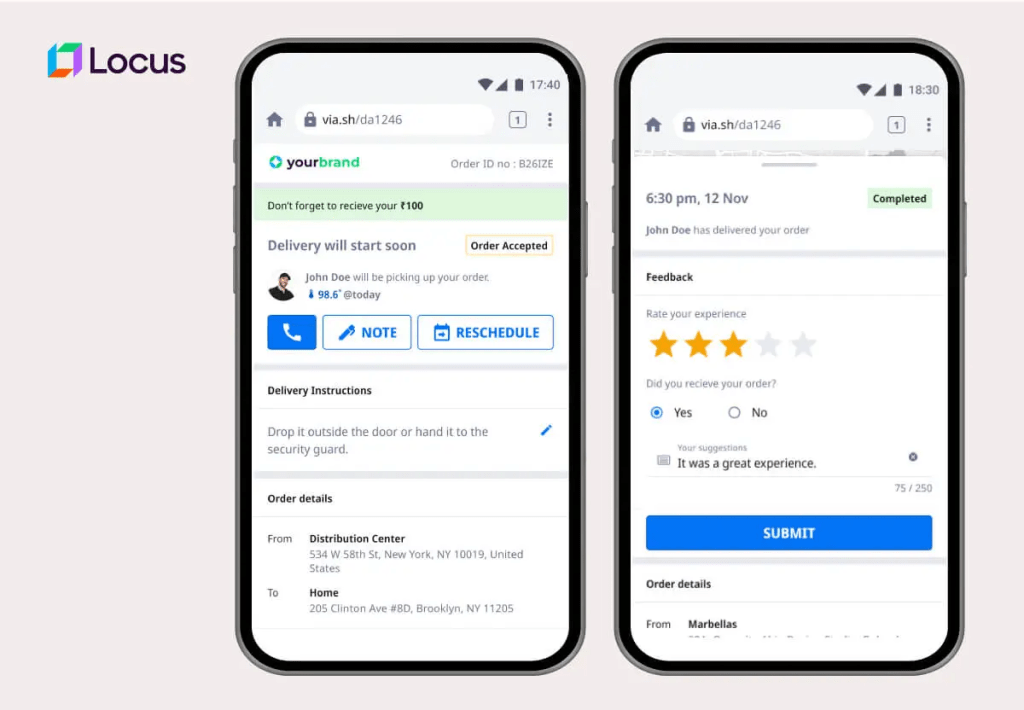
The delivery partner leaves the package at the customer’s doorstep or designated spot and captures a photo proof of delivery (ePOD). Customers get an instant notification and can collect it safely.
This is now standard for food, grocery, and pharmacy deliveries because it saves time and limits contact. Softwares like Locus DispatchIQ automate driver assignments, photo uploads, and real-time delivery confirmation.
2. Smart Locker Pickup
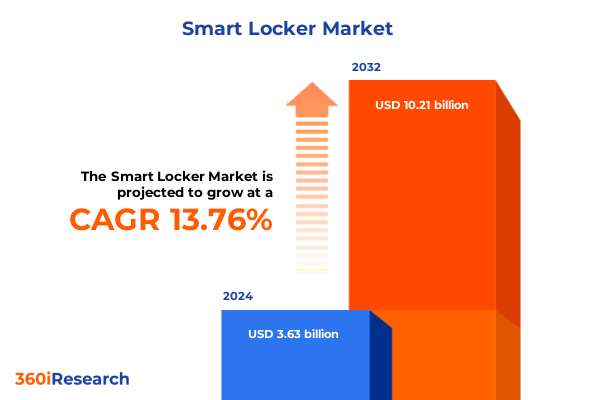
Packages are dropped at automated or IoT-enabled smart lockers, and customers receive a secure code to retrieve them anytime.
This model reduces failed deliveries and supports high route density. Global smart locker adoption exceeded $1 billion in 2024, driven by carriers such as Amazon, UPS, and FedEx expanding their locker networks.
3. BOPIS (Buy Online, Pick Up In-Store)
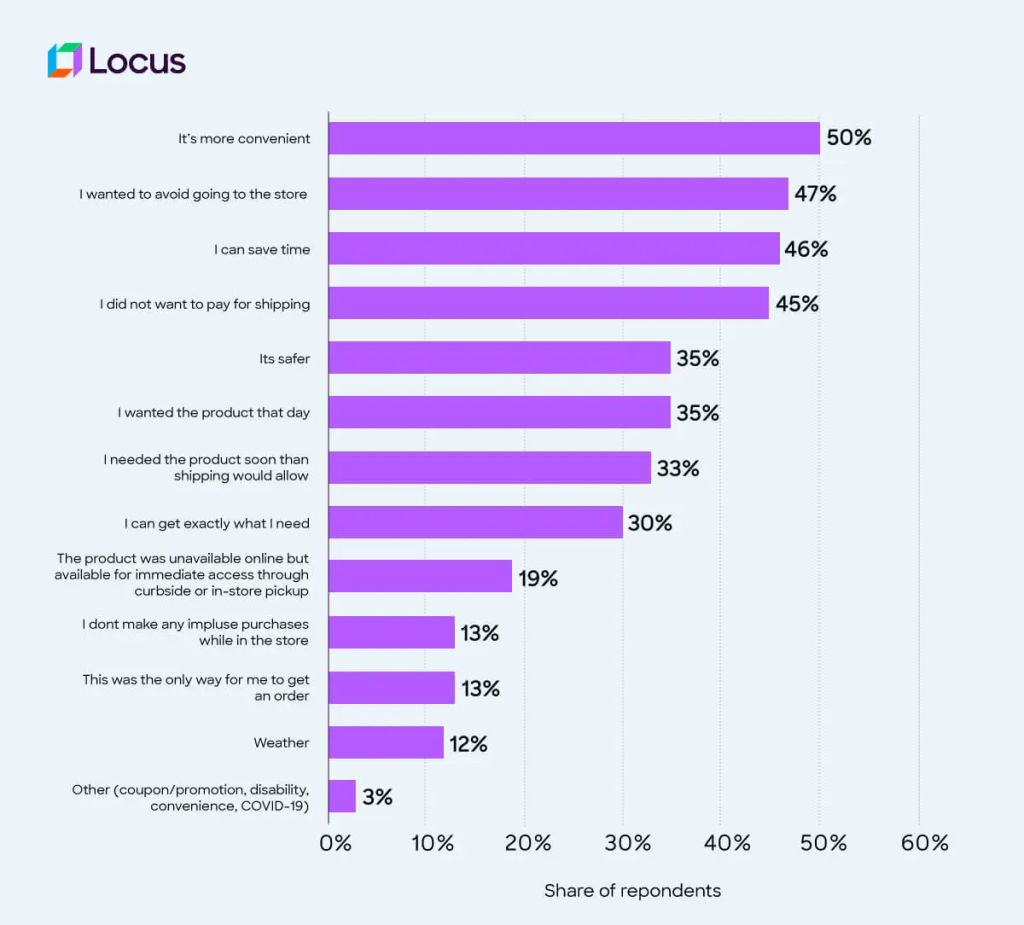
Customers place orders online and collect them from self-service cubbies or lockers at retail outlets.
BOPIS shortens delivery time, cuts last-mile costs, and often increases in-store sales—85 percent of customers make extra purchases during pickup. AI-based routing tools help retailers synchronize curbside slots and inventory.
4. Dedicated Dropbox Delivery
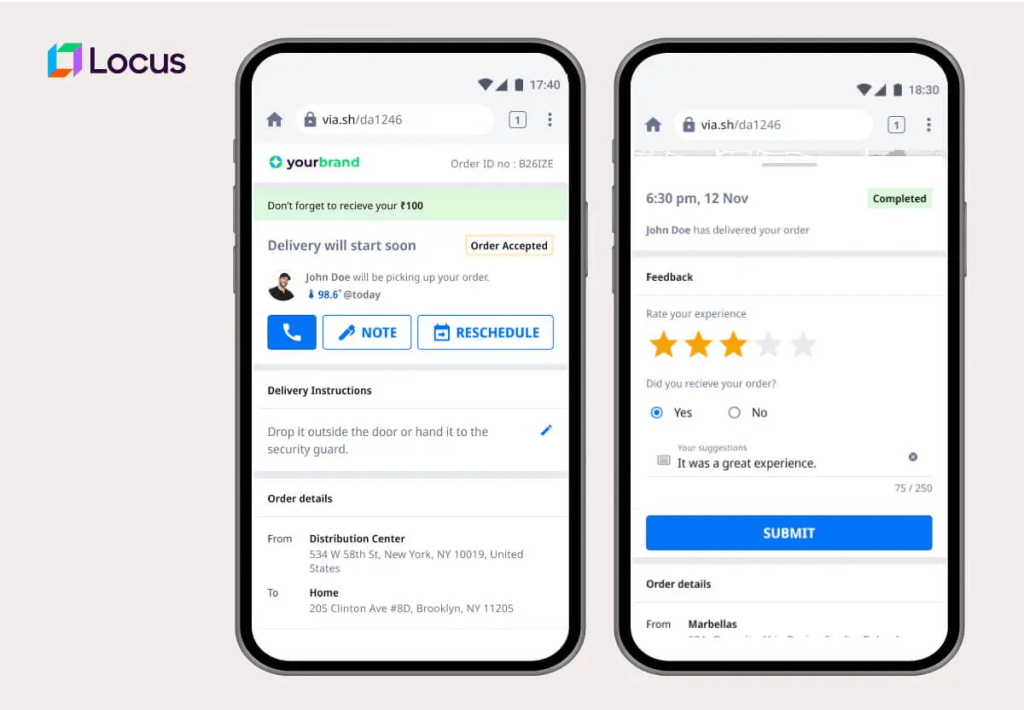
Frequent customers may use personal dropboxes or insulated containers for unattended deliveries such as groceries or meal kits.
It removes scheduling limits, preserves product freshness, and reduces dwell time. Cold-chain businesses benefit by maintaining temperature control while completing more drops per route.
In summary, these four models define the modern no-contact delivery ecosystem. When combined with automated route planning, photo-based ePOD, and real-time monitoring through tools like Locus DispatchIQ and Control Tower, companies can execute safer, faster, and more efficient last-mile operations.
Challenges for no-contact delivery operations
No-contact delivery provides convenience and safety, but it also brings new logistical challenges that affect accuracy, visibility, and customer satisfaction. They include:
1. Missed or Unconfirmed Deliveries
Customers may not know when an order has been dropped off if notifications fail or status updates are delayed. This creates confusion, delayed pickups, and unnecessary support tickets.
2. Incorrect Drop Locations
Packages can be left at the wrong address or location, particularly in high-density housing areas. Without clear geotagged data or delivery proof, resolving these issues becomes difficult.
3. Delivery Disputes
When there’s no photo proof of delivery (ePOD) or verification code, customers might dispute completed deliveries. This leads to time-consuming investigations and a loss of customer confidence.
4. Package Theft and Damage
Leaving parcels unattended exposes them to theft, weather, or accidental damage. Secure pickup alternatives and smarter routing can help minimize these risks.
While no-contact delivery simplifies fulfilment, it raises the need for clear communication, real-time visibility, and verified drop-off records. Digital proof and timely customer alerts are critical for maintaining trust and keeping operations on track.
How Locus Facilitates No Contact Delivery?
Locus simplifies no-contact delivery by combining intelligent route planning, automated dispatch, and real-time delivery tracking into a single logistics platform.
It helps retailers, food brands, and courier networks execute zero-touch operations at scale while maintaining speed, safety, and accuracy.
1. Automated Dispatch and Route Optimization
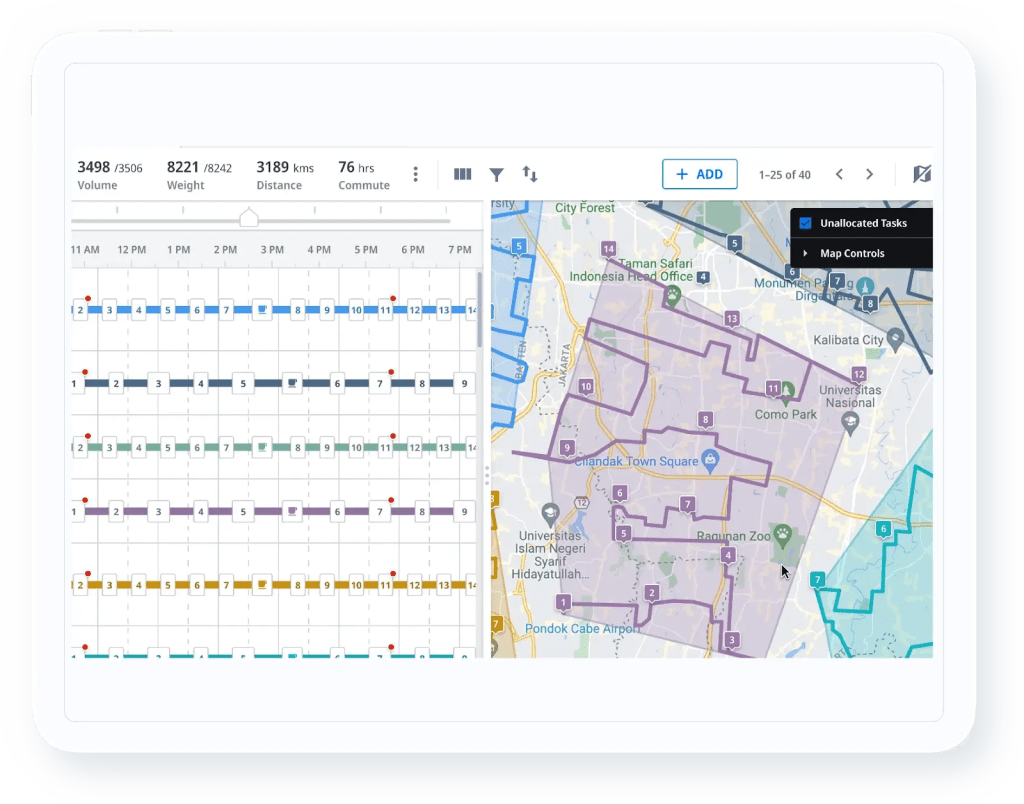
Locus automatically assigns the right driver to each order using data on proximity, capacity, delivery time windows, and traffic. This minimizes manual coordination and reduces delivery time per stop.
2. Electronic Proof of Delivery (ePOD)
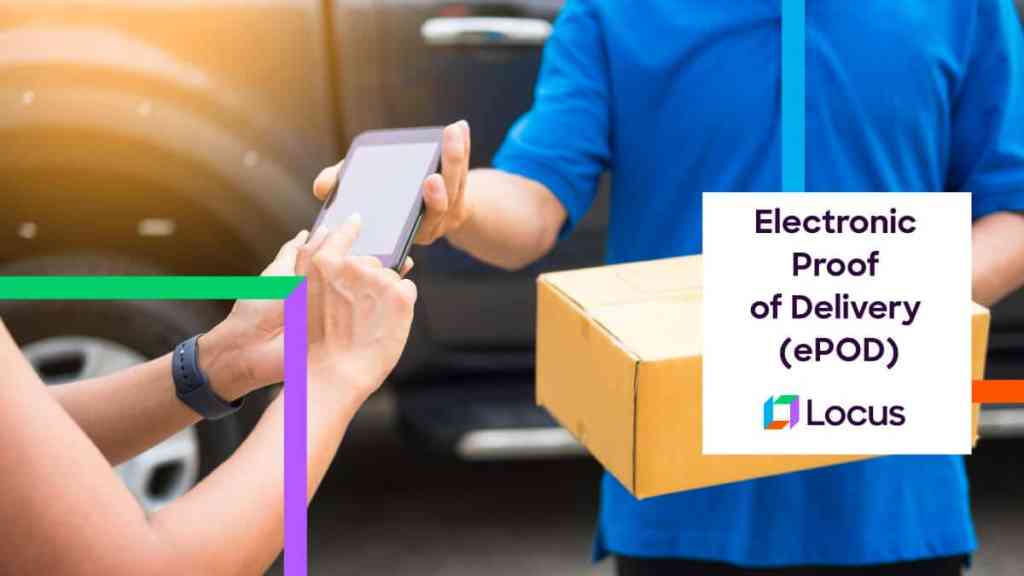
Drivers can capture photo or OTP-based proof of delivery directly through the platform. Each completed order is logged with time, location, and customer confirmation, eliminating disputes or missed updates.
3. Real-Time Visibility and Alerts
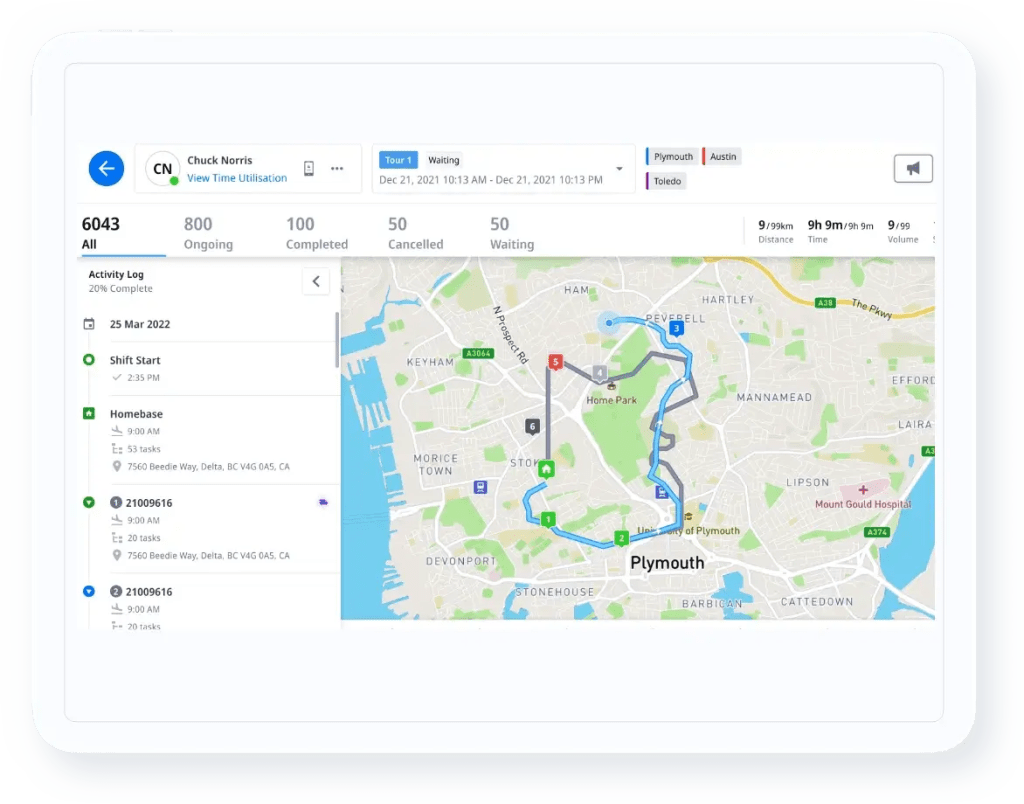
With the Control Tower, logistics teams gain a live view of every delivery’s status. Real-time alerts help address exceptions such as failed drops, incorrect addresses, or delayed arrivals before they impact the customer.
4. Safe, Contactless Handoffs
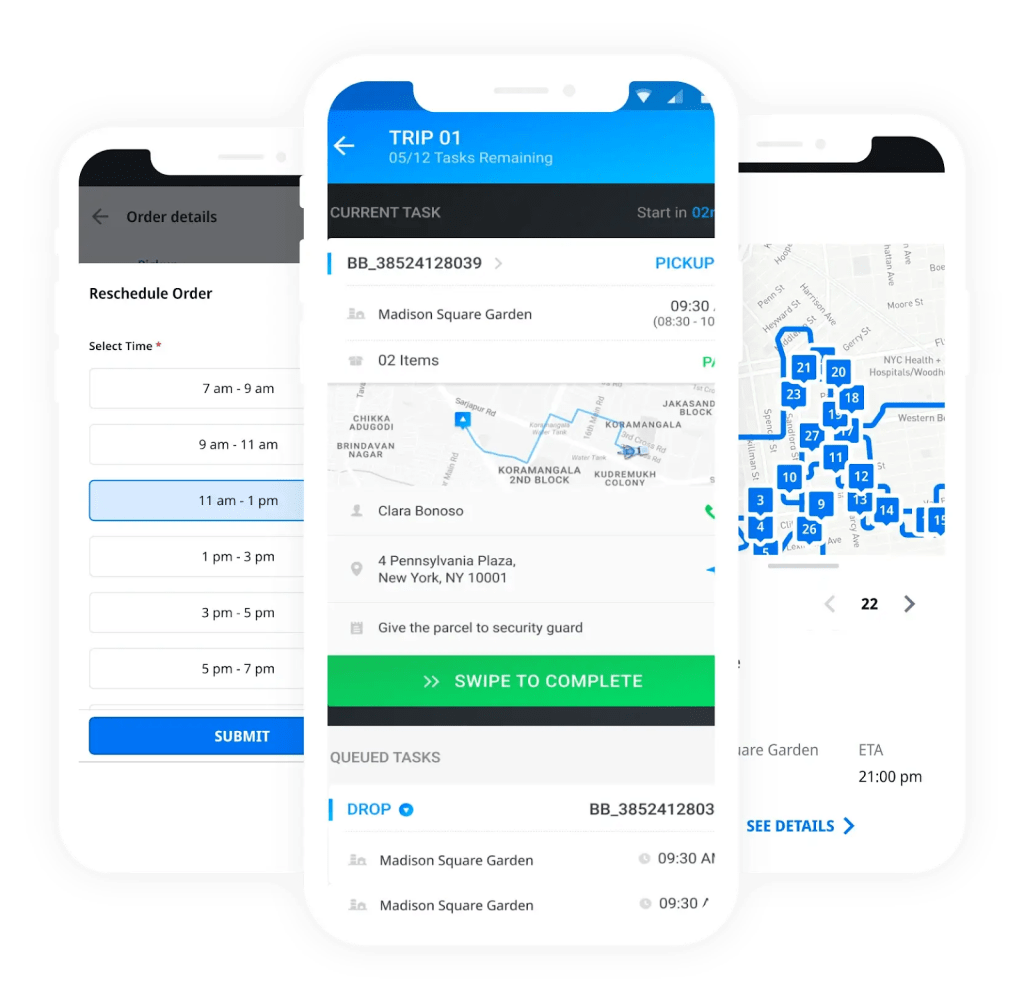
The Locus mobile interface supports clear delivery instructions, safe-drop locations, and customer notifications. This enables consistent, contact-free experiences across food, grocery, and retail deliveries.
In short, Locus enables businesses to manage every aspect of no-contact delivery (from planning to proof) while improving fleet efficiency, on-ground productivity, and customer trust.
Conclusion
In this world crisis, riders and delivery executives are the real heroes, ensuring food and necessities are delivered to millions of quarantined people in time. To successfully carry out logistics operations, it is important to consider the health and safety of the on-ground staff, and take into account their preferences such as delivery routes and timings that are suitable to them and assign duties accordingly. It will not only improve the productivity of your on-ground staff but also boost their morale and help them continue their valuable service to humanity.
These are testing times for supply chain and logistics enterprises around the globe. In such difficult times, adopting tech and implementing some good delivery practices (Contactless delivery or Zero touch delivery) can help you manage the complexities in your food delivery supply chain and ensure good customer satisfaction.

CEP and 3PL
Net Promoter Score (NPS): What Is It? & How To Calculate

Sep 1, 2025
Learn what Net Promoter Score (NPS) is, why it matters, and how to calculate it to measure customer loyalty and drive business growth effectively in 2025
Read more
Fleet Optimization
Cross Fleet Utilization: Key Aspects & Importance in 2025
Sep 1, 2025
Discover what is cross fleet utilization in 2025—key aspects, benefits, and strategies to maximize efficiency, cut costs, and boost ROI in logistics and transport
Read moreInsights Worth Your Time


SUBSCRIBE TO OUR NEWSLETTER
Stay up to date with the latest marketing, sales, and service tips and news
What is No Contact Delivery? A Complete Guide in 2025