

Route Optimization
What is Multi-Stop Route Planning? Importance & Benefits


Key Takeaways
- Multi-stop route planning software can reduce delivery costs and improve efficiency by automatically optimizing routes while considering factors like traffic, vehicle capacity, and delivery windows.
- Real-time route optimization enables fleet managers to quickly adapt to disruptions like vehicle breakdowns or road closures, automatically redistributing deliveries across available drivers.
- Small and mid-sized fleets can maximize limited resources through route segmentation and delivery zone planning, helping them compete more effectively despite budget constraints.
- Locus’ Dispatch Management Platform enables unlimited-stop route optimization with street-level routing and intelligent task allocation, helping logistics companies improve delivery productivity while maintaining service quality.
How do you get your drivers to make more deliveries each day and become significantly more efficient without compromising on their time and energy? The answer is simple: multi-stop route optimization.
According to a report by Mordor Intelligence, the route optimization software market is expected to witness a compound annual growth rate (CAGR) of 10.9% between 2021 and 2026. A robust route optimization solution has the potential to transform businesses with uninterrupted on-time deliveries, putting a smile on the customer’s face and multi-stop route planning can help with that.
Multiple deliveries mean manually planning multiple routes with multiple stops, which is time-consuming. Fleet managers need to factor in route constraints such as traffic congestion and roadblocks while planning when solving the vehicle routing problem. When this planning is carried out manually, the chances of making mistakes are high, resulting in delays in deliveries and disappointing customers.
Keeping the customer happy is the top priority for every delivery business. Here’s how you can plan delivery routes with the help of a multi-stop route planning software when there are multiple drivers and thousands of destinations.
What is Multi-stop Route Planning?
Multi-stop route planning refers to the process of optimizing delivery or service routes when a driver needs to visit multiple destinations in one trip. It is commonly used in industries such as delivery operations, field service, and sales, where drivers must manage several customer stops throughout the day.
While standard navigation focuses only on guiding a driver from one location to the next, multi-stop route planning expands the scope to include multiple factors that impact efficiency. These include the delivery sequence, the proximity of locations, time constraints, traffic conditions, and vehicle load capacity.
The goal of this process is to minimize travel time, reduce fuel consumption, and maximize the number of successful deliveries or service visits completed within a designated time frame.
Additionally, modern route planning systems incorporate advanced algorithms that account for real-world disruptions such as last-minute order changes, road closures, or unexpected traffic conditions. When routes are adjusted in real time, businesses maintain smooth operations, achieve high on-time performance, reduce costs, and deliver stronger customer experiences.
What is a Multi-stop Route Planner?
A multi-stop route planner is a tool that optimizes delivery or service routes with multiple stops in a single trip. Using advanced algorithms, it factors in variables like distance, traffic, delivery time windows, vehicle capacity, and driver availability to create the most efficient route.
Unlike manual planning, which can be time-consuming and error-prone, a multi-stop route planner automates this process, reducing unnecessary travel, cutting fuel costs, and improving delivery speed. It also allows real-time updates for drivers, adjusting routes dynamically in response to disruptions such as traffic or last-minute changes.
For businesses with complex logistics needs, a multi-stop route planner enhances efficiency, reduces costs, and improves customer satisfaction.
Benefits of Multi-stop Route Planner?
Using a multi-stop route planner can improve efficiency, reduce costs, and enhance customer satisfaction. It helps businesses optimize routes in real-time, make better use of resources, and scale as delivery needs grow. Here’s how it can make a difference for your operations.
- Increased Efficiency: A multi-stop route planner optimizes routes automatically, saving both time and fuel. Drivers spend less time on the road, completing more deliveries within the same shift.
- Cost Savings: By reducing travel distances, fuel consumption drops, leading to lower costs. Vehicle maintenance also decreases as fewer miles are driven.
- Real-time Flexibility: The planner adapts to disruptions like traffic or last-minute orders. This ensures on-time deliveries despite unexpected changes.
- Improved Customer Satisfaction: On-time deliveries improve customer trust. Real-time updates keep customers informed, enhancing the delivery experience.
- Optimal Resource Utilization: Fleet managers can allocate vehicles and drivers efficiently. This ensures maximum productivity with fewer resources.
Scalability: A multi-stop route planner can handle growing business needs. As deliveries increase, the system manages more stops and routes without extra manual effort.
How Multi-Stop Route Planners Optimize Routes
Planning routes for multiple vehicles and multiple stops using a multi-stop route planner for your delivery business can help save time and resources by automating and organizing processes. Here’s how a multi-stop route planning software can help your delivery business reach customers faster and operate more efficiently.
1. Plans Routes Quickly and Intelligently
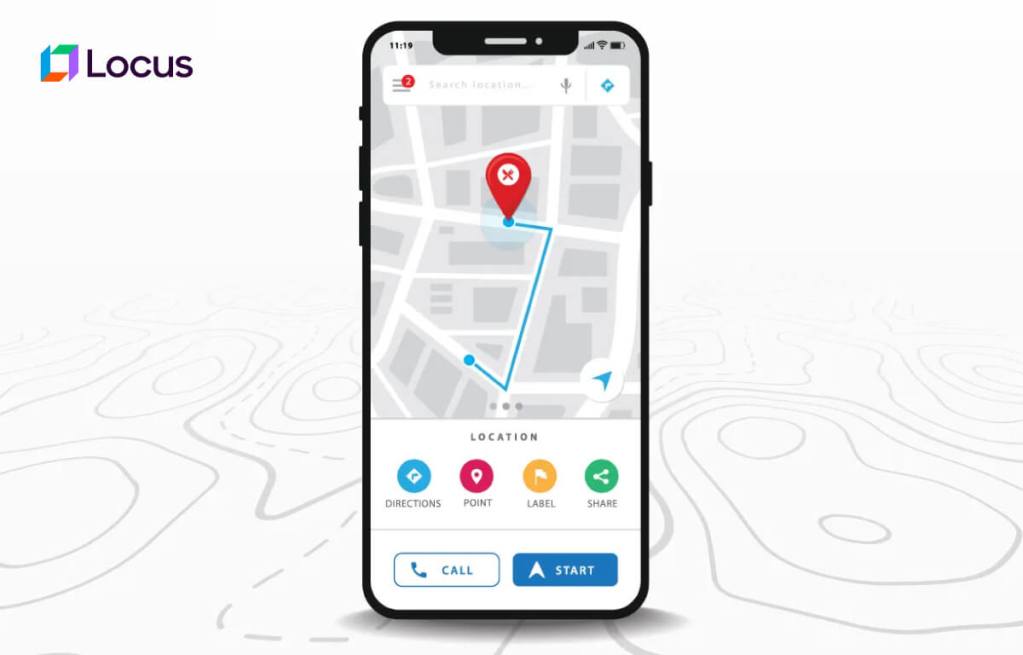
Multi-stop route planner allows you to add specific time windows, taking business-level considerations into account to plan delivery routes quickly. They are easy to use and adjust routes automatically in case of any unexpected events like traffic, roadblocks, etc.
2. Distributes Routes Automatically to Drivers
Last-minute route changes trouble drivers and fleet managers very often. Calling or messaging drivers on route updates, confuses them and leads to delivery delays.
Multi-stop route planning software automatically sends route updates to the driver’s smartphone. In the event of last-minute deviations, your drivers will get to know the exact details of the destination, thus avoiding confusion.
3. Re-Optimizes Routes During Disruptions
Unexpected situations like vehicle breakdowns, accidents, or roadblocks can delay your daily delivery plan. The fleet manager has to re-assign deliveries to other drivers to compensate for the loss of a vehicle. A multi-stop route planning software enables you to shuffle the fleet and plan deliveries.
4. Enhances Driving Efficiency and Reduces Extra Miles
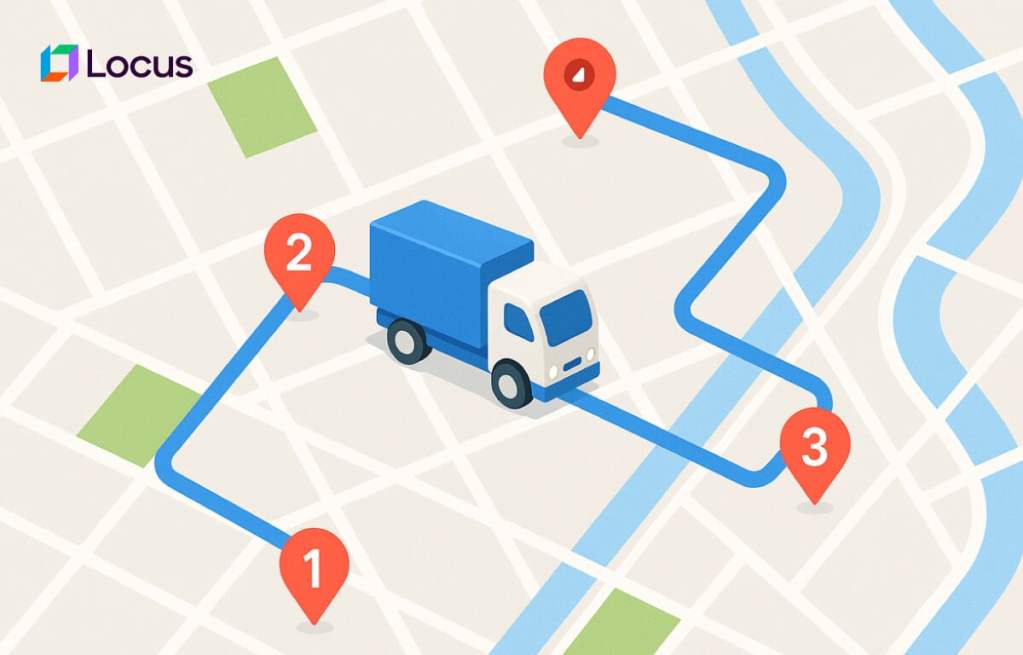
Drivers riding additional miles increases your last-mile delivery costs. The extra time they spend on the road leads to increased maintenance and liability costs for the fleet. This also impacts the productivity and efficiency of the fleet.
A multi stop route planning software saves unnecessary miles, thereby reducing the money spent on fuel. Real-time tracking helps fleet managers analyze deliveries and devise ways to enhance their productivity and efficiency.
5. Optimizes Fleet Usage with Limited Resources
The biggest challenge for small and mid-sized fleets is to maximize routing abilities with limited fleet and budget. A multi-stop route planning software helps in solving the vehicle routing problem by finding an optimized route for multiple stops based on fleet size, budget restrictions, vehicle capacity and other important factors. Multi-stop & Multi-drop route planning software enable small and mid-sized fleets to segment routes and set delivery zones. These abilities help them improve fleet operations and save money.
Google Maps for Multiple Stops: Major Setbacks
While Google Maps is a popular navigation tool, it falls short when used for planning multiple stops in a delivery or service route. The tool has several limitations that can impact efficiency, especially for businesses managing complex operations.
- Limited Stop Capacity: Google Maps only supports up to 10 stops per route, making it impractical for larger deliveries or multiple destinations.
- Manual Route Planning: Creating and adjusting routes manually is time-consuming and prone to errors, especially when working with multiple drivers.
- No Support for Delivery Constraints: Google Maps doesn’t consider factors like time windows, vehicle capacity, or special requirements like refrigeration.
- Lack of Real-Time Updates: Unlike dedicated route planners, Google Maps doesn’t provide real-time adjustments for traffic disruptions or last-minute changes.
- No Driver Management Tools: Google Maps doesn’t allow for efficient assignment of routes to drivers, nor does it provide mobile apps for tracking deliveries.
These limitations can lead to inefficiencies, delays, and customer dissatisfaction. A dedicated multi-stop route planner offers a more robust solution, designed to meet the demands of logistics businesses.
What is a multi-stop route planning software?
Multi-stop route planning software helps optimize delivery routes that have multiple customer locations. It makes last-mile delivery more efficient and helps businesses increase their profit margin. A route planning software with unlimited stops also helps riders drive smartly and makes the fleet manager’s job easy by planning effective delivery routes. In this way, a delivery route optimizer ensures both efficiency and ease of management.
Some key factors that can be taken into consideration when planning multi-stop routes include:
- The geographical area: By studying territory or locations with data science algorithms, routes can be planned in a better way. Often, the larger the geographical area is, the fewer stops a driver can make in a day.
- Prioritizing customers: Focusing on the customers who promise the most returns first can be an effective strategy in multi-stop route planning.
- Being efficient: The main function of a multi-stop route planning software is to minimize the time on the road and carry out the maximum number of deliveries in a set time.
The Essential Features Every Fleet Manager Need
How to choose Route Optimization Software for Small and Mid-Sized Fleet?
Key Factors to Consider while Selecting a Multi-stop Route Planner Software
Selecting the right multi-stop route planner software can have a direct impact on your delivery efficiency, customer satisfaction, and long-term operational costs. Choosing the right multi-stop route planner goes beyond ticking feature boxes. It’s about finding a solution that fits your operations, adapts to your workflows, and delivers long-term value as your business scales. Here are the most important factors to consider:
- Advanced Route Optimization
Look for a planner that uses intelligent algorithms to optimize routes based on real-world constraints such as delivery time windows, traffic, vehicle capacity, driver availability, and stop priority. - User-Friendly Interface
A clean, intuitive dashboard makes it easier for dispatchers and teams to plan, manage, and adjust routes with minimal training or technical know-how. - Real-Time Route Adjustments
The ability to dynamically update routes during the day is crucial. Choose software that can handle last-minute changes, road closures, or new orders without disrupting the entire plan. - Driver Mobile App
A companion app for drivers helps streamline communication, provides real-time route updates, and allows them to complete deliveries efficiently from their smartphones. - Customer Notifications and Tracking
Modern delivery experiences depend on clear communication. Look for features like automatic ETA alerts, live tracking links, and delivery confirmations to keep customers informed and engaged. - Proof of Delivery (POD)
Digital proof of delivery such as photos, e-signatures, or delivery notes ensures accountability and helps resolve disputes quickly. - Performance Analytics
Insightful reports on delivery times, route efficiency, driver performance, and customer feedback can help identify opportunities for improvement and drive smarter decisions. - Seamless Integrations
The software should integrate easily with your existing systems such as order management, CRM, or fleet tracking tools to create a smooth, end-to-end workflow. - Reliable Support and Maintenance
Strong customer support, consistent updates, and dependable uptime are essential. Your route planner should be a reliable partner, not just another tool.
Smarter Multi-Stop Routing Starts with Locus
For logistics companies managing complex delivery operations, Locus’ Dispatch Management Platform offers a powerful solution that simplifies multi-stop route planning. By automating dispatch planning and generating precise street-level routes with unlimited stops, Locus helps businesses reduce delivery costs, save planning time, and boost fleet productivity.
With intelligent task allocation, real-time route adjustments, and the ability to adapt to disruptions, Locus ensures that every delivery is optimized for efficiency. This leads to better resource utilization, fewer missed deliveries, and enhanced customer satisfaction.Locus doesn’t just streamline operations; it gives businesses the flexibility and control needed to scale smoothly as delivery volumes grow. Get in touch today to see how Locus can optimize your multi-stop delivery process and drive better business outcomes.

General
How to Reduce Fleet Idling and Save Fuel Costs in 2025

Aug 31, 2025
Discover eight proven strategies to reduce fleet idling and save up to 40% on fuel costs in 2025, featuring AI-powered solutions, compliance tips, and real ROI data.
Read more
Last Mile Delivery Optimization
Last Mile Delivery: What Is It? How It Works in 2025?

Sep 1, 2025
The last mile delivery is only one part and the last leg of the logistics in the entire supply chain. Know the challenges and solutions of last mile delivery.
Read moreInsights Worth Your Time


SUBSCRIBE TO OUR NEWSLETTER
Stay up to date with the latest marketing, sales, and service tips and news
What is Multi-Stop Route Planning? Importance & Benefits