

Logistics Software
Top Reverse Logistics Companies & Software Solutions of 2025

Key Takeaways
- Reverse logistics covers returns, repairs, recycling, and disposal, and is now a critical part of supply chain strategy.
- Retail returns are projected to reach $890 billion in 2024, making efficiency and fraud prevention urgent priorities.
- Brands that simplify returns (like Target and IKEA) gain loyalty, while restrictive policies risk customer churn.
- Locus stands out with AI-driven automation, real-time visibility, and scalability, making it the leading reverse logistics solution for 2025.
Reverse logistics involves the process of handling returns, repairs, recycling, and disposal of products from consumers back to retailers or manufacturers. The scope of traditional logistics is outbound delivery, but reverse logistics deals with the inbound flow of goods back into the supply chain.
Inefficient reverse logistics processes can lead to unnecessary costs, delays, and frustrated customers. When returns are not managed effectively, businesses face higher operational expenses and reduced profitability. Gartner states that many retailers now report that the value of customer returns is growing faster than sales, with returns fraud increasing by nearly 400% since 2018 in the U.S. This highlights the urgency for retailers to address reverse logistics as part of their strategy.
Some brands have responded by making returns more restrictive, risking customer loyalty in the process. Others, like Target with their drive-up returns policy and IKEA with their extended returns for IKEA Family members, have used their reverse logistics infrastructure to enhance the customer experience, making returns easier and more convenient.
In this blog, we examine the top reverse logistics companies of 2025, detailing the features that make each one a viable option for businesses. By the end of this post, you’ll have a clear overview of the most effective solutions available to streamline your reverse logistics operations.
7 Factors to Consider When Choosing a Reverse Logistics Partner
Consumer’s expectations shift constantly. You should select a reverse logistics partner who is flexible and aligns with your needs.
73% of global shoppers will not purchase from a retailer they don’t trust for delivery, and 75% feel the same about returns providers. Additionally, 53% of shoppers believe that free returns would significantly enhance their shopping experience.
These figures underscore the importance of choosing a provider that can meet customer demands for seamless, transparent, and reliable returns.
Key factors to consider when choosing a reverse logistics partner include:
1. Expertise and Experience
Total returns for the retail industry are projected to reach $890 billion in 2024, a figure that highlights the scale and complexity of managing reverse flows. This makes it essential to partner with reverse logistics providers who bring deep industry knowledge and can address sector-specific challenges effectively.
- Industry Specialization: Deep knowledge of your product category and market.
- Track Record: Proven experience and positive client testimonials that highlight their reliability and success.
2. Scalability and Flexibility
As your business grows, so will your returns. Choose a provider that can scale with your business and handle seasonal peaks. A flexible provider will adapt to changing demands without compromising efficiency.
- Adaptability: Ability to manage fluctuating return volumes, especially during peak seasons.
- Scalability: Capacity to expand services as your business grows.
3. Service Offerings
Your reverse logistics provider should offer a comprehensive range of services to streamline the entire returns process. Look for a partner that provides a full spectrum of solutions, including:
- Returns Processing: Receiving, sorting, and inspecting returns.
- Refurbishment and Repair: Ability to handle product repairs and refurbishment.
- Recycling and Disposal: Sustainable solutions for recycling or disposal of returned items.
- Transportation Management: Efficient and cost-effective logistics handling.
4. Technology and Infrastructure
Your reverse logistics partner must offer advanced tools that streamline operations and provide transparency. Key technological features to look for include:
- Returns Management System (RMS): Real-time tracking, detailed analytics, and seamless integration with your existing systems (e.g., ERP, WMS).
- Physical Infrastructure: Robust warehouses, secure facilities, and a reliable transportation network for handling returns efficiently.
5. Customer Service and Communication
Effective communication with your reverse logistics partner is essential for smooth operations. Ensure that the provider offers:
- Proactive Communication: Timely updates and prompt issue resolution.
- Dedicated Support: A dedicated account manager to simplify coordination and ensure smooth processes.
- Service-Level Agreements (SLAs): Clearly defined performance expectations such as processing times and accuracy rates.
6. Cost and Value
While cost is an important factor, it should not come at the expense of quality. Look for a provider who offers transparent pricing with clear value for the services they provide. Evaluate the overall return on investment (ROI), considering the impact on customer satisfaction, operational efficiency, and sustainability goals.
- Competitive Pricing: Transparent and cost-effective pricing models.
- Tangible Value: Increased customer loyalty, operational efficiency, and a positive brand reputation.
7. Sustainability Practices
As sustainability becomes a greater focus, ensure that your reverse logistics partner aligns with your environmental goals. Look for partners that prioritize eco-friendly practices, such as:
- Sustainable Disposal: Emphasis on recycling and minimizing landfill use.
- Eco-Friendly Packaging: Use of environmentally friendly packaging materials in return processing.
By evaluating these key factors, you can ensure that your reverse logistics partner aligns with your operational needs and business goals, creating a seamless returns process that enhances efficiency, reduces costs, and improves customer satisfaction.
10 Best Reverse Logistics Software of 2025
With a wide array of reverse logistics software options available, businesses need to choose a platform that aligns with their specific operational needs.
The following 10 solutions are recognized for their ability to streamline returns, optimize operational efficiency, and enhance customer satisfaction. Each offers distinct features designed to address various aspects of reverse logistics:
| Solution | Key Features | Ideal For | Pricing | Customer Feedback |
| Locus | AI-driven automation, real-time decision-making, end-to-end visibility, scalability | Large enterprises in retail, FMCG, e-commerce | Custom pricing based on needs | Known for scalability and process optimization |
| FarEye | Real-time tracking, predictive delivery optimization, dynamic rescheduling | Businesses focused on last-mile delivery | Subscription-based pricing | High ratings for customer engagement tools |
| DispatchTrack | Real-time tracking, automation, last-mile delivery optimization | Businesses with complex last-mile requirements | Contact for pricing | Commended for efficient returns management |
| Onfleet | Route optimization, real-time tracking, integration with existing systems | Businesses of all sizes | Starts at $599/month | Praised for ease of use and interface design |
| SmartRoutes | Route optimization, real-time tracking, dynamic scheduling | Small to medium-sized businesses in e-commerce | Starts at $32/month | Cost-effective for growing businesses |
| LogiNext | AI-powered route planning, fleet tracking, data analytics | Enterprises with complex logistics requirements | Contact for pricing | Appreciated for advanced automation and insights |
| Route4Me | Route optimization, real-time tracking, flexible integration options | Businesses of all sizes | Starts at $60/month | Popular for its scalability and ease of use |
| OptimoRoute | Route optimization, AI decision-making, real-time tracking | Businesses needing optimized delivery routes | Starts at $35/month | Positive feedback on smart routing and time savings |
| Shipsy | Cross-border logistics, freight management, invoicing automation | Global businesses with international returns | Custom pricing | Known for its robust compliance management |
| ShipBob | Integrated 3PL, returns management, product collection, tracking, restocking | E-commerce and retail businesses | Contact for pricing | Noted for seamless integration and operational support |
In the following sections, we will delve deeper into each platform’s features and benefits, helping you make an informed decision.
Top 10 Reverse Logistics Software – Detailed Comparison
Each reverse logistics platform offers distinct features suited to different operational needs. Below is a breakdown of key solutions, focusing on their strengths and how they cater to specific business requirements.
1. Locus
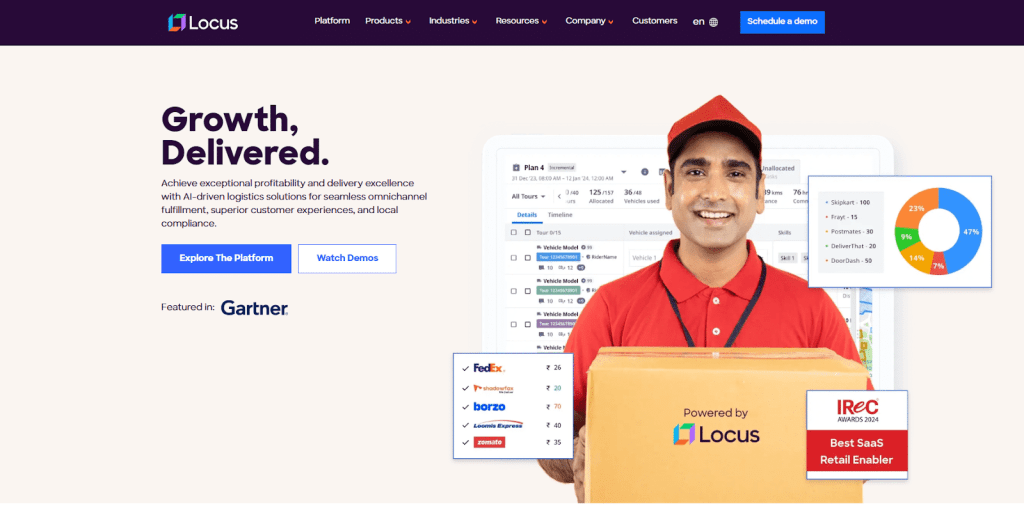
Locus is a leading AI-powered platform that offers comprehensive automation to optimize reverse logistics processes. By integrating end-to-end visibility and real-time decision-making, Locus helps businesses streamline returns management, reduce operational costs, and enhance efficiency across the entire reverse logistics chain.
Locus’s Key Features:
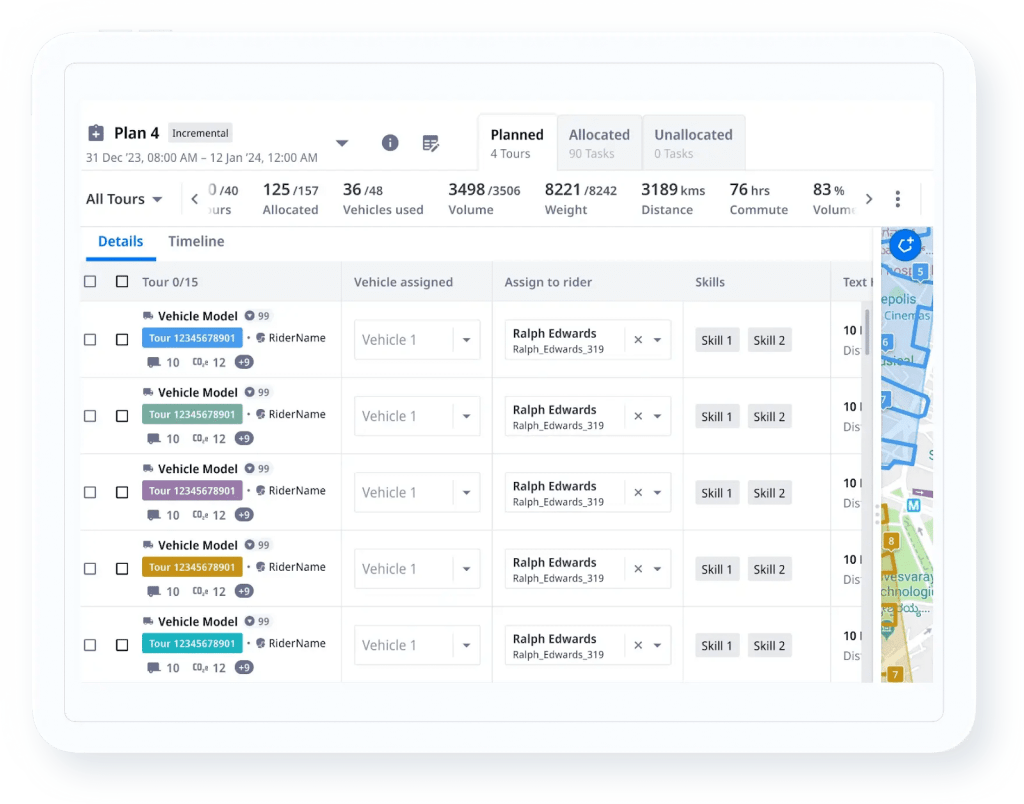
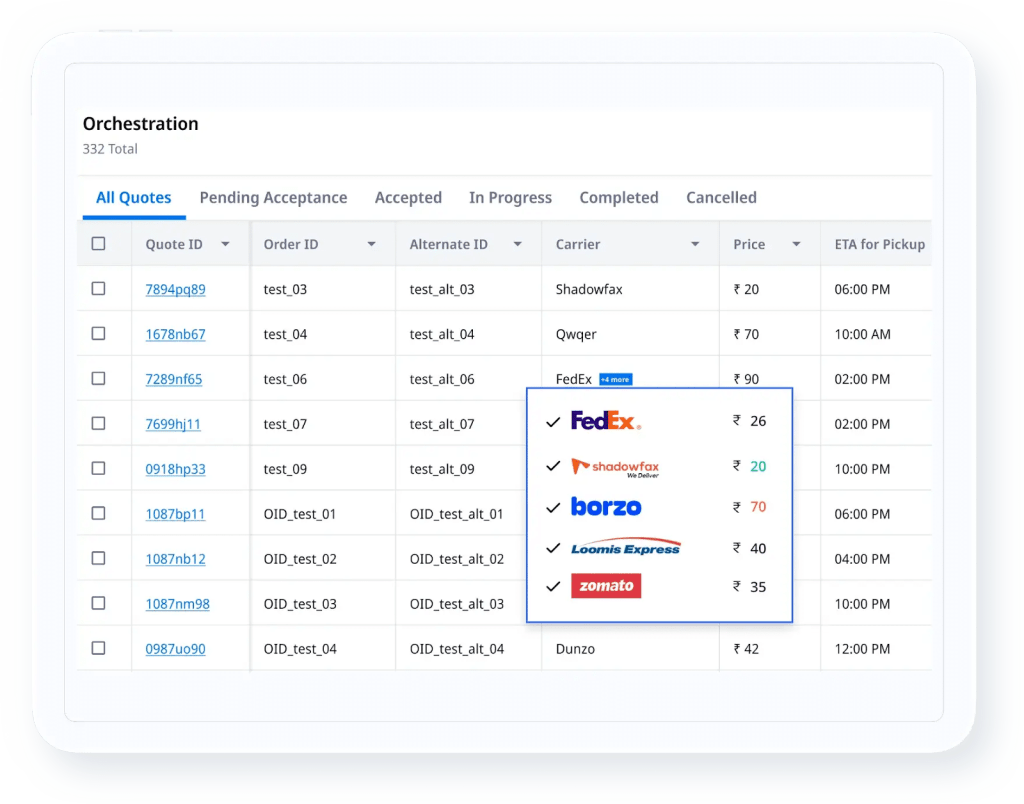
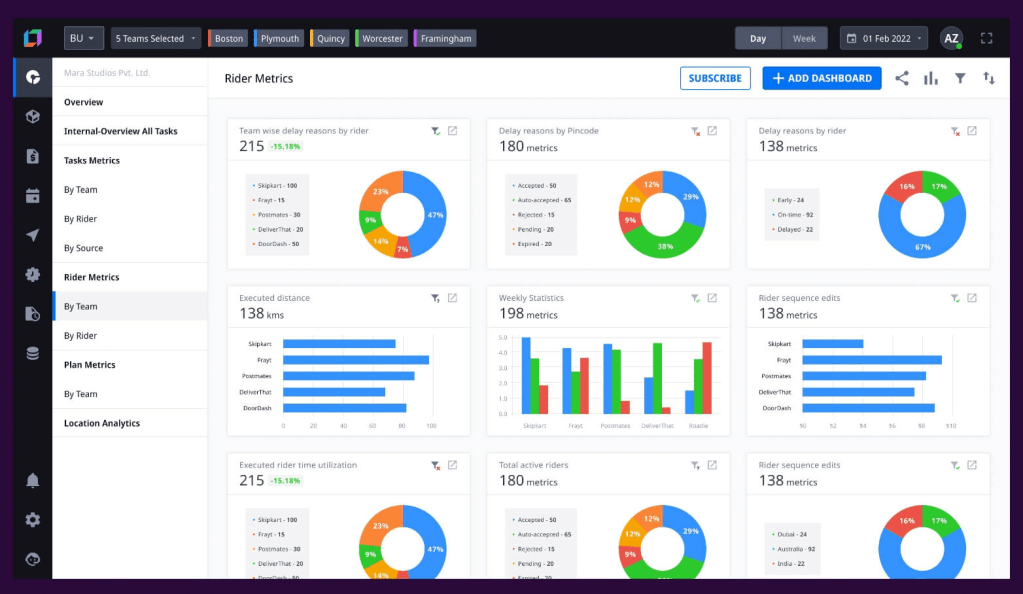
- AI-Driven Automation: Locus automates key reverse logistics tasks such as returns authorization, inspection, repackaging, and restocking. By reducing manual intervention, businesses can process returns faster and more accurately.

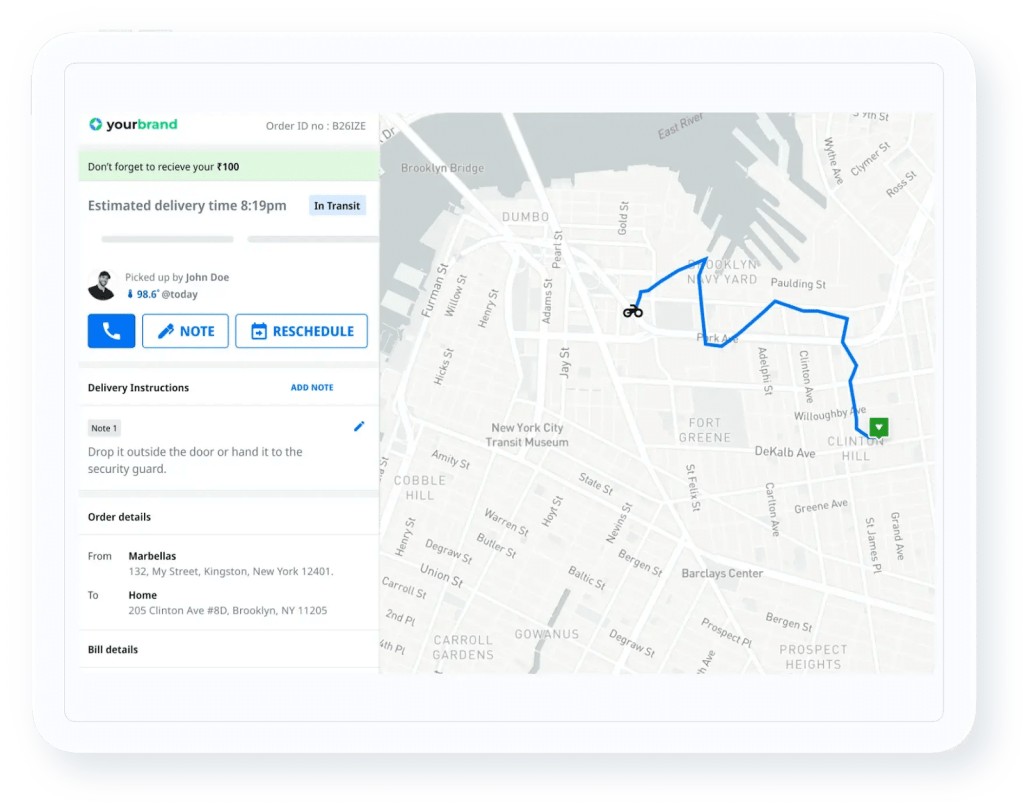
Locus automates returns tasks for faster, more accurate processing. - Complete Visibility: The platform offers full transparency into every step of the reverse logistics process, from returns initiation to product disposition. This visibility helps companies make more informed decisions and identify areas for improvement.
Locus provides full transparency across the returns process. - Scalability: Designed to scale with growing business needs, Locus handles increasing return volumes without a proportional increase in operational costs. This makes it an ideal solution for companies aiming to grow their logistics operations.
Locus handles growing return volumes without extra costs. - Real-Time Decision-Making: Locus provides real-time insights that enable businesses to make data-driven decisions on returns management, such as optimizing routes and minimizing delays. This accelerates turnaround times and improves customer satisfaction.

Locus enables data-driven decisions for optimized returns. - Sustainability Focus: By optimizing return processes, Locus reduces waste and enhances sustainability efforts. The platform helps companies manage returned products efficiently, minimizing their environmental impact.
Locus is Ideal for:
- Large Enterprises: Locus is tailored for businesses in industries like retail, FMCG, e-commerce, and 3PLs that manage high volumes of returns and require scalable solutions to handle complex logistics operations.
- Global Supply Chain Operators: Companies involved in cross-border logistics will benefit from Locus’ capability to manage international returns while maintaining operational efficiency and consistency.
Locus’s Pricing:
Locus offers a custom pricing model based on the size of the business and specific operational needs. Pricing is determined by factors such as return volumes, the complexity of integrations, and the scope of desired features. Businesses interested in a detailed pricing structure can contact Locus to schedule a demo and discuss their requirements.
2. FarEye
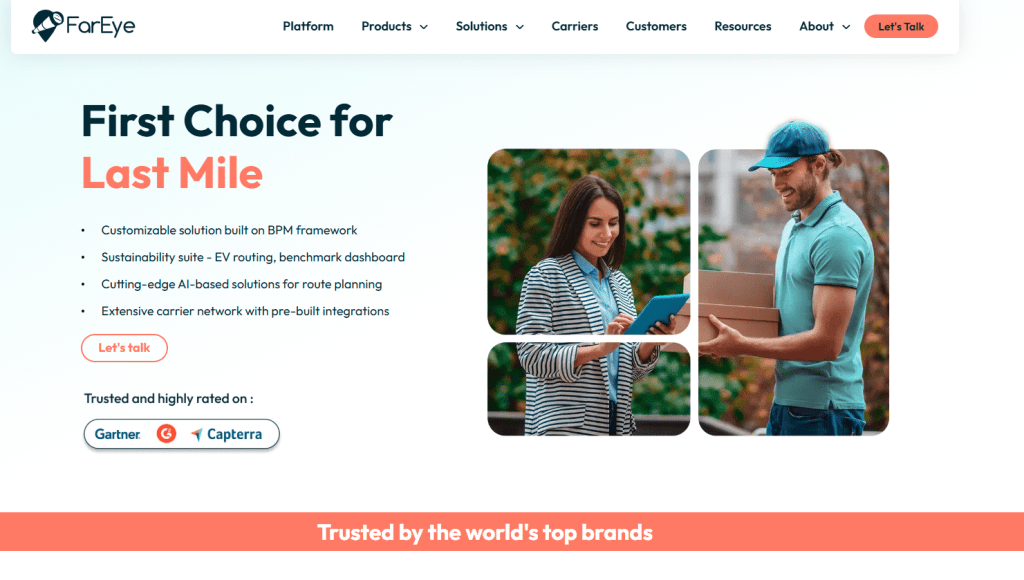
FarEye specializes in last-mile delivery optimization, offering a platform designed to improve delivery accuracy and enhance the returns experience. The solution integrates predictive tracking, dynamic rescheduling, and advanced customer engagement tools, all of which streamline reverse logistics processes for businesses.
FarEye’s Key Features:
- Real-Time Tracking: Provides visibility into the entire delivery process, helping optimize operations and reduce delays.
- Predictive Delivery Optimization: Uses AI to predict and adjust delivery routes for faster and more accurate deliveries.
- Dynamic Rescheduling: Automatically adjusts delivery schedules to accommodate changes, ensuring timely returns management.
- Enhanced Customer Engagement: Tools to improve communication and satisfaction during the returns process.
FarEye is Ideal for:
- E-commerce and Retailers: Businesses aiming to enhance last-mile delivery efficiency and improve the returns experience for customers.
- Large Enterprises: Companies seeking scalable solutions for managing complex, high-volume returns processes.
FarEye’s Pricing:
FarEye offers a subscription-based pricing model, with costs tailored to business needs, including factors like return volumes and required features.
3. DispatchTrack
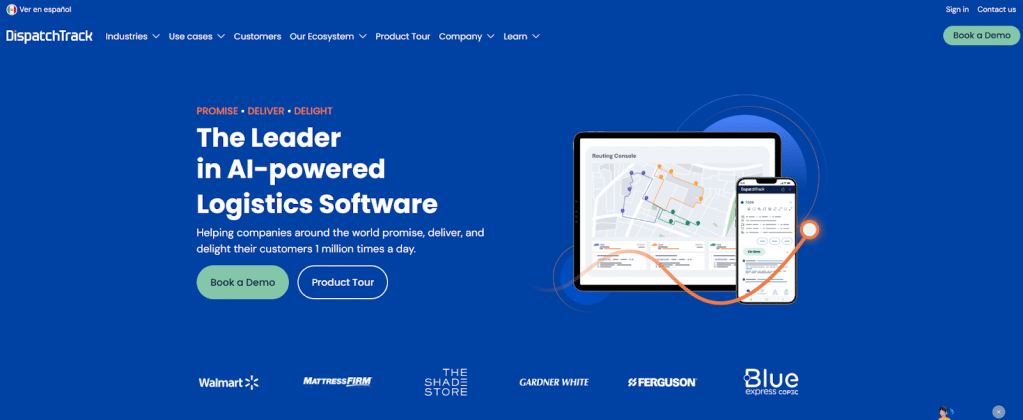
DispatchTrack is a leading provider of last-mile delivery solutions that helps businesses streamline logistics operations and enhance the customer experience. With its AI-powered platform, DispatchTrack offers features that improve route optimization, delivery visibility, and real-time tracking, making it an ideal choice for companies aiming to optimize last-mile logistics.
DispatchTrack’s Key Features:
- Real-Time Tracking & Visibility: Get live tracking updates and full transparency for both drivers and customers, ensuring smoother deliveries and better customer engagement.
- Route Optimization: AI-driven algorithms optimize delivery routes in real-time, adjusting for traffic, weather, and priorities to reduce delays and operational costs.
- Customer Engagement Tools: DispatchTrack enhances the customer experience by providing tools for self-scheduling, mobile apps for drivers, and proof of delivery, making the process seamless and efficient.
- Performance Insights & Reporting: Data-driven analytics that help businesses track delivery performance, improve decision-making, and identify trends for better operational efficiency.
DispatchTrack is Ideal for:
- E-commerce & Retail: Businesses needing to optimize their last-mile logistics and improve delivery accuracy and customer satisfaction.
- Field Services & Building Materials: Companies that require fast, accurate scheduling, and full visibility to ensure timely deliveries of large, bulky items or services.
DispatchTrack’s Pricing:
DispatchTrack follows a subscription-based pricing model, offering flexibility based on business needs, including delivery volume and required features. Companies interested in detailed pricing can contact DispatchTrack for a personalized quote.
4. Onfleet
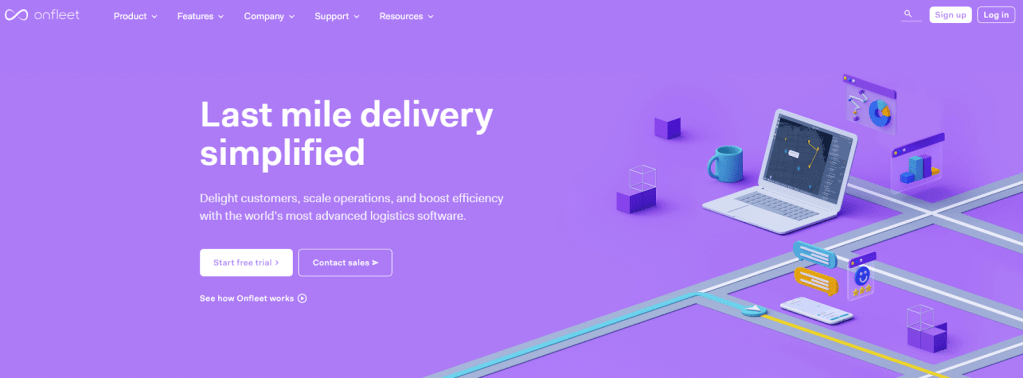
Onfleet provides an intuitive last-mile delivery software designed to simplify operations and improve delivery efficiency. The platform uses AI-driven solutions for route optimization, real-time tracking, and enhanced customer communication, enabling businesses to deliver superior experiences and increase operational efficiency.
Onfleet’s Key Features:
- Route Optimization: AI-powered real-time route planning ensures the fastest and most efficient deliveries while minimizing delays and reducing fuel costs.
- Real-Time Tracking & Visibility: Provides live tracking, accurate ETAs, and transparent updates for both drivers and customers, improving delivery transparency.
- Proof of Delivery: Enables drivers to capture photos, signatures, and other delivery information, ensuring accountability and enhancing customer trust.
- Customer Engagement: Automated SMS notifications, real-time updates, and feedback collection tools help enhance the customer experience and build loyalty.
Onfleet is Ideal for:
- E-commerce & Retail: Companies looking to optimize their delivery operations and improve customer satisfaction through streamlined last-mile logistics.
- Food & Beverage: Businesses in the food industry require fast, accurate, and efficient delivery solutions for perishable goods.
Onfleet’s Pricing:
Onfleet follows a subscription-based pricing model, with different tiers depending on the size of the business and the volume of deliveries. Pricing starts at $599/month for smaller teams and increases based on additional features and tasks.
5. SmartRoutes
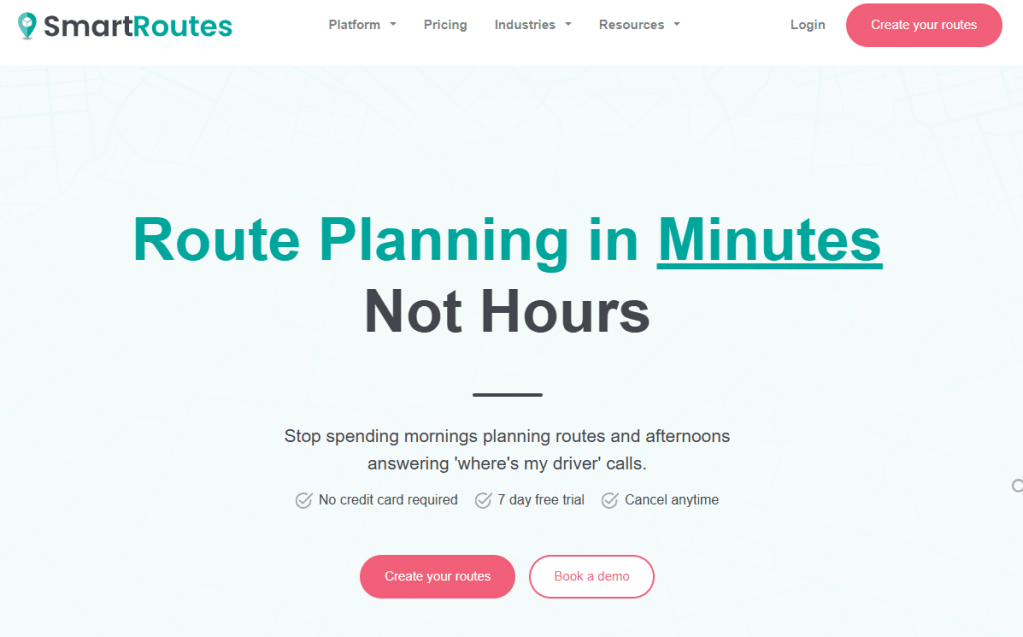
SmartRoutes provides a powerful delivery route planning solution designed to optimize fleet management, reduce operational costs, and enhance customer satisfaction. With AI-driven route optimization and real-time tracking, SmartRoutes helps businesses streamline their delivery processes and improve efficiency.
SmartRoutes’ Key Features:
- Route Optimization: Automatically optimize delivery routes, reducing fuel consumption and saving time, while ensuring timely deliveries.
- Real-Time Tracking & Visibility: Provides real-time updates for drivers and customers, improving transparency and reducing customer inquiries.
- Proof of Delivery: Capture e-signatures, photos, or barcode scans to secure proof of delivery and automate customer confirmations.
- Delivery Management: Integrates order management systems, enhancing delivery scheduling, improving fleet efficiency, and increasing customer satisfaction.
SmartRoutes is Ideal for:
- Logistics & Couriers: Businesses in the logistics and courier sectors looking to improve route planning, tracking, and overall delivery performance.
- Furniture & E-commerce: Companies needing efficient delivery of bulky items with real-time visibility and optimized route planning.
SmartRoutes’ Pricing:
SmartRoutes offers flexible subscription plans, starting at $32 per vehicle per month. Pricing scales based on delivery volume and the level of required features, with plans designed for businesses of all sizes.
6. LogiNext

LogiNext is an AI-powered platform designed to optimize and automate delivery processes across various stages of the supply chain. With a focus on route planning, last-mile delivery optimization, and real-time tracking, LogiNext helps businesses improve operational efficiency and deliver superior customer experiences.
LogiNext’s Key Features:
- Route Planning & Optimization: AI-driven algorithms optimize delivery routes, considering factors like traffic and time windows, reducing fuel costs and enhancing delivery efficiency.
- Real-Time Tracking: Provides live tracking of deliveries, offering full transparency and better communication between drivers, dispatchers, and customers.
- Delivery Validation: Ensures accurate deliveries through features like photo proof of delivery, e-signatures, and barcode scanning.
- Automated Pickups & Delivery Scheduling: Automates scheduling and pickup processes, ensuring that deliveries are made on time and within the planned windows.
LogiNext is Ideal for:
- E-commerce & Retail: Companies that need to streamline their last-mile delivery process and improve the overall delivery experience for customers.
- Food & Beverage & Logistics: Businesses in the food sector or logistics industry requiring time-sensitive, high-volume deliveries with optimized route planning.
LogiNext’s Pricing:
LogiNext offers a custom pricing model based on business size, delivery volume, and required features. For detailed pricing, businesses can contact LogiNext to discuss their specific needs and schedule a demo.
7. Route4Me

Route4Me is an AI-powered route optimization platform designed to help businesses simplify last-mile delivery. With over 3 billion miles optimized and 750M destinations covered, Route4Me provides advanced solutions for route planning, fleet management, and delivery tracking, enabling companies to increase efficiency and reduce costs.
Route4Me’s Key Features:
- Route Optimization: Automate route planning to optimize for efficiency, reduce fuel costs, and improve delivery times.
- Real-Time Tracking: Offers live tracking, real-time updates, and visibility into delivery progress for both drivers and customers.
- Proof of Delivery: Capture signatures, photos, and other delivery information through the mobile app, ensuring accurate deliveries and improving accountability.
- Customer Experience Tools: Provides customer notifications, tracking links, and real-time ETA updates, improving satisfaction and reducing customer inquiries.
Route4Me is Ideal for:
- Logistics & Delivery Companies: Businesses in logistics, parcel delivery, and courier services looking to optimize routes and improve operational efficiency.
- E-commerce & Retail: Companies needing efficient, cost-effective solutions for managing multiple deliveries and enhancing the customer experience.
Route4Me’s Pricing:
Route4Me offers flexible pricing plans starting at $60 per vehicle per month. Pricing varies depending on the business size and the features required, with higher-tier plans for larger fleets and more advanced features.
8. OptimoRoute
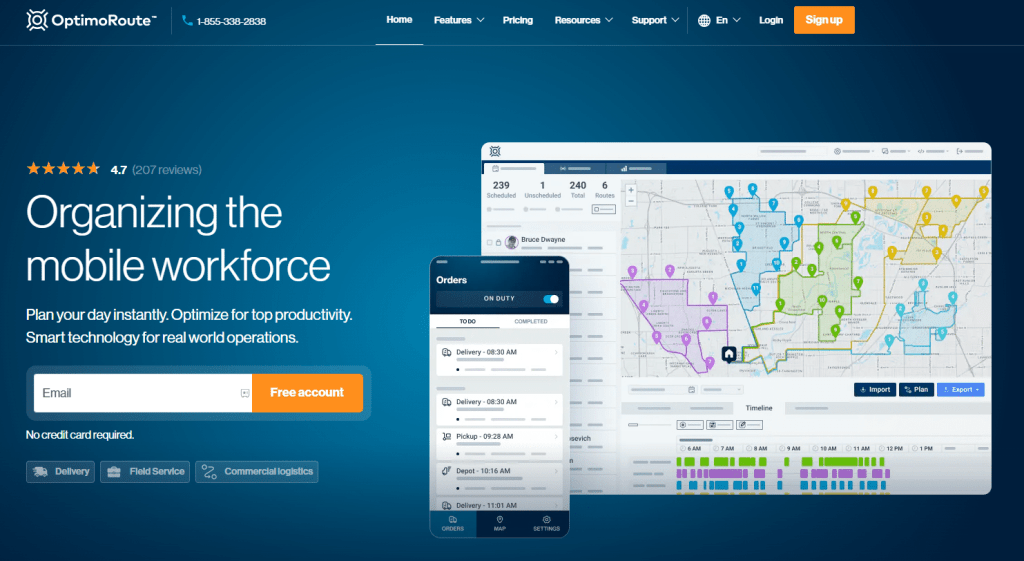
OptimoRoute offers a comprehensive solution for route planning, optimization, and delivery management, designed to enhance efficiency and reduce operational costs. With real-time tracking, automated scheduling, and powerful analytics, OptimoRoute enables businesses to streamline their last-mile operations and provide superior service.
OptimoRoute’s Key Features:
- Route Optimization: Automatically plan the most efficient routes, balancing time, distance, and vehicle constraints to save time and reduce fuel costs.
- Real-Time Tracking & ETA: Track deliveries in real time and provide customers with accurate ETAs and live updates, improving transparency and satisfaction.
- Proof of Delivery: Capture digital signatures, photos, and other delivery details to ensure accountability and enhance customer trust.
- Customer Notifications: Automatically send ETA updates, delivery status, and notifications to keep customers informed throughout the delivery process.
OptimoRoute is Ideal for:
- E-commerce & Retail: Businesses that need to optimize delivery routes, manage customer communication, and reduce operational costs for better service.
- Field Services & Logistics: Companies requiring real-time tracking, optimized scheduling, and efficient route planning to improve fleet productivity.
OptimoRoute’s Pricing:
OptimoRoute offers flexible pricing based on business needs, starting at $35 per driver per month. Pricing scales with additional features like fleet tracking, proof of delivery, and analytics, with custom plans available for larger fleets.
9. Shipsy
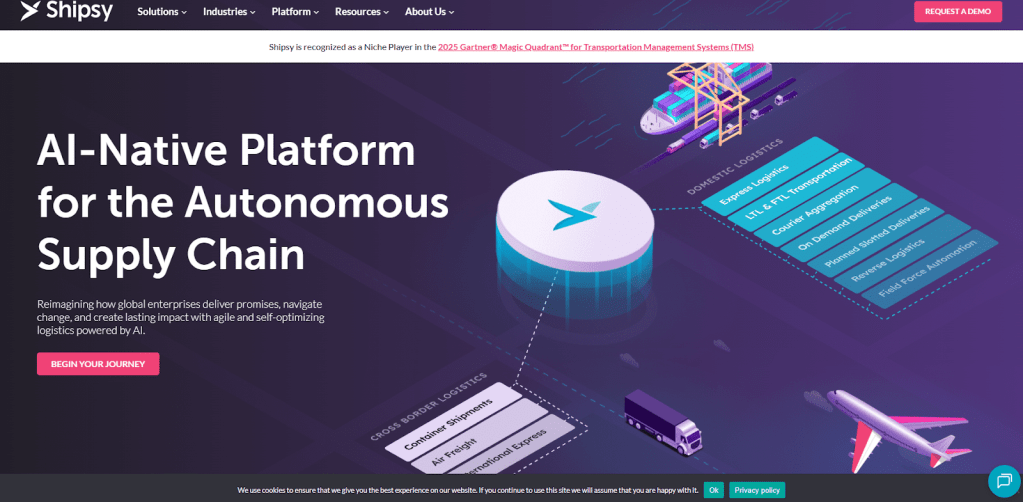
Shipsy is an AI-powered logistics platform that helps businesses automate and optimize their supply chain operations. From route optimization to shipment tracking, Shipsy integrates end-to-end logistics workflows, driving efficiency, sustainability, and cost savings.
Shipsy’s Key Features:
- Route Optimization & Planning: AI-driven tools for optimizing route planning, increasing fleet capacity, and minimizing customer delays for both first and last mile deliveries.
- Shipment Tracking & Visibility: Real-time tracking for shipments across 50+ shipping lines and 40+ 3PLs, with proactive alerts for delays and changes in ETAs.
- Freight Procurement: Reduce freight costs and optimize vendor negotiations using AI-enabled follow-ups and intelligent reference rates.
- Real-Time Notifications: Dynamic communication tools for customers, ensuring high first-attempt delivery rates and maximizing customer satisfaction.
Shipsy is Ideal for:
- Manufacturers & Retailers: Businesses that need end-to-end visibility and real-time tracking for both international and domestic shipments.
- 3PLs & Courier Companies: Companies managing complex logistics operations that require route optimization and multi-carrier management.
Shipsy’s Pricing:
Shipsy offers a tailored pricing model based on the business needs and scope of integration. Interested businesses can contact Shipsy for a demo and detailed pricing information.
10. ShipBob

ShipBob is a leading fulfillment solution designed for growing businesses, offering robust logistics services that ensure fast, cost-effective, and scalable operations. With a focus on efficiency, accuracy, and global expansion, ShipBob empowers brands to enhance their customer experience while driving operational success.
ShipBob’s Key Features:
- Global Fulfillment Network: ShipBob operates over 60 fulfillment centers across three continents, enabling businesses to scale globally while minimizing costs.
- Omnichannel Fulfillment: ShipBob supports both eCommerce and B2B businesses with seamless integration across multiple sales channels.
- 2-Day Shipping: With ShipBob, businesses can offer 2-day shipping across the continental U.S., driving customer satisfaction and faster sales.
- Inventory Management: Real-time inventory tracking and proactive replenishment help businesses maintain optimal stock levels and avoid stockouts.
ShipBob is Ideal for:
- Fast-Growing eCommerce Brands: Brands seeking to streamline operations, reduce fulfillment costs, and scale their logistics across global markets.
- Mid-Market Brands: Businesses that require efficient, multi-warehouse fulfillment and the flexibility to handle increasing order volumes.
ShipBob’s Pricing:
ShipBob offers customized pricing based on specific business needs, including fulfillment rates and software integrations. Interested businesses can request a quote for tailored solutions that fit their requirements.
Why Locus Leads the Way in Reverse Logistics for 2025
Locus stands out as the most comprehensive reverse logistics solution for businesses seeking to optimize returns management. Unlike other platforms, Locus combines AI-driven automation, real-time decision-making, and end-to-end visibility, ensuring a seamless reverse logistics process.
Built for scalability, this platform is perfect for large enterprises and global companies, supporting growth without complicating returns management. Automation accelerates processes, minimizes errors, and ensures quicker returns handling. Additionally, real-time tracking and data insights offer complete transparency, allowing businesses to address inefficiencies rapidly.
Locus also supports sustainability by optimizing return flows, cutting waste, and reducing environmental impact. Its seamless integration with existing systems ensures businesses can evolve their logistics operations continuously. For companies aiming to streamline returns, lower costs, and enhance customer satisfaction, this solution provides the most efficient path forward.
Schedule a demo today to see how it can improve your reverse logistics operations.
Frequently Asked Questions (FAQs)
1. What is reverse logistics?
Reverse logistics refers to the process of managing the return of products from customers back to businesses for various reasons, such as defects, excess stock, or recycling.
2. How can reverse logistics help reduce costs?
By optimizing return routes, automating processes, and improving inventory management, businesses can significantly lower operational costs, improving their bottom line.
3. What features should I look for in reverse logistics software?
Key features include automation, real-time tracking, scalability, data analytics, and seamless integration with existing business systems for optimal returns management.
4. How does Locus optimize reverse logistics for large enterprises?
Locus leverages AI to automate returns, provide end-to-end visibility, and make real-time decisions, helping large businesses reduce costs and improve operational efficiency in reverse logistics.
5. Can reverse logistics software handle cross-border returns?
Yes, many reverse logistics platforms, including Locus, are equipped to manage cross-border returns, ensuring compliance and efficient management of international logistics challenges.

Route Optimization
Last-Mile Delivery Route Optimization Guide (2025)
Sep 24, 2025
Learn how last-mile delivery route optimization can reduce costs, boost efficiency, and enhance customer experience. Explore strategies for 2025 with Locus.
Read more
General
What Is Transportation and Logistics Management? Complete 2025 Guide
Sep 26, 2025
Transportation and logistics management guide for 2025. Explore definitions, benefits, challenges, and best practices with Locus solutions.
Read moreInsights Worth Your Time


SUBSCRIBE TO OUR NEWSLETTER
Stay up to date with the latest marketing, sales, and service tips and news
Top Reverse Logistics Companies & Software Solutions of 2025